Caring for an enjoyed one changes the rhythm of a home. It can be deeply significant, yet it likewise asks a great deal of a person's time, energy, and psychological gets. In Oregon, break care attracts attention as a practical means to keep households stable and caretakers healthy. It provides temporary relief that can be prepared ahead of time or organized during an immediate situation, and it extends a surprisingly wide variety of settings. If you are caring for a partner with dementia in Eugene, supporting an adult child with an intellectual or developing impairment in Bend, or balancing kids's treatments and medical appointments in Portland, there is likely a kind of reprieve that fits your patchwork of needs.
This overview shows what households, situation managers, and suppliers in Oregon see everyday. Plans alter, and everyone's qualification will depend on age, disability kind, diagnosis, and which program they're enrolled in, however the practical principles stay constant. Reprieve is about safety and security, dignity, and stamina, for the person getting care and the person giving it.
What break care indicates in practice
Respite treatment is a time-out for a key caregiver. That break can be as modest as 3 hours of in‑home assistance so a person can go to a medical consultation, or as substantial as a 14‑day stay in a certified setup while a caregiver recuperates from surgical treatment. In Oregon, the term "Respite Care Services" covers a number of models:
- In home break, where an experienced employee concerns the home to provide supervision, individual treatment, or skill-building support. Community reprieve, where the person joins a structured program outside the home for a few hours or a complete day. Out of‑home overnight respite, commonly in a certified adult foster home, a property treatment facility, or a kids's short‑term setting. Informal or all-natural supports, like a trusted neighbor or family pal, which may belong to the strategy in some programs if training and background checks are completed.
Those categories exist throughout multiple Oregon departments, consisting of Aging and People with Disabilities (APD), the Workplace of Developing Disabilities Solutions (CHANCES), and the Oregon Health insurance coordinated treatment companies for certain pediatric and behavior wellness services. The exact same word, reprieve, takes a trip across these systems, yet the funding rules, documents, and provider kinds can differ.
Who uses break in Oregon
Over the last decade, I have actually seen 4 groups depend on break regularly.
Families sustaining a person with mental deterioration. Alzheimer's and various other types of dementia change day‑to‑day tasks from predictable tasks right into unpredictable obstacles. A spouse or adult kid may require a repeating break to run errands without panic, rest during the mid-day "sundowning" window, or merely reconnect with close friends. In‑home break workers with dementia training are especially useful due to the fact that routine is safety for the person with memory loss.
Parents of youngsters with intricate clinical needs. Oregon's kids with substantial clinical problems usually have a treatment calendar that equals a small business: feeding tube maintenance, breathing therapies, seizure administration, and institution conferences. Even the most durable parent needs time to remainder or be with brother or sisters. Pediatric respite can be in‑home, with skilled nursing or skilled attendants, or short remain in specialized pediatric programs when available.
Adults with intellectual or developmental handicaps and their households. ODDS offers in‑home and out‑of‑home reprieve as part of its solution array. Occasionally break is scheduled so a caretaker can attend their own clinical visits. Various other times the individual getting services wants a modification of scenery and take advantage of a Essential Services Respite Care Services in Cannon Beach weekend break with an acquainted provider in a qualified setting.
Caregivers after a health occasion. A broken hip, a spell of pneumonia, or unforeseen surgical procedure can leave the primary caretaker incapable to raise, drive, or supply hands‑on help. Short‑term out‑of‑home reprieve can bridge the gap while the caretaker heals. I have likewise seen hospice groups coordinate respite stays for five to 7 days to provide households a remainder during intense phases of care.
How long break lasts and exactly how usually you can use it
Duration and regularity depend upon the program licensing break. It helps to think in ranges.
Short jobs of 3 to eight hours prevail for in‑home or neighborhood programs. Overnight or weekend reprieve is often licensed in blocks, such as 24 to 72 hours. Extended breaks often tend to be used sparingly, like 5 to 14 days at a time, commonly covered per month or each year. In some probability plans, families bank an annual number of reprieve hours to make use of periodically. In APD programs, the case supervisor or service organizer sets authorized hours based on the care strategy and assessment.
People are frequently surprised by how fast hours go. Setting up four hours each Tuesday seems little, but over a month it becomes an actual source of breathing room. The even more predictable your routine, the much easier it is to match with a consistent service provider, which boosts security and trust.
Where break takes place and what support looks like
Location matters because it forms the experience. In‑home respite keeps the person in their familiar atmosphere. That can decrease anxiety for those with dementia, and it streamlines drugs and wheelchair. You still need an arranged home: clear medicine lists, posted emergency calls, and products ready to hand off. If the caregiver makes use of a white boards for everyday regimens, the reprieve worker should read and upgrading it.
Community based day programs, when readily available, provide structure and social time. Adults with I/DD typically appreciate the adjustment in speed. For youngsters, sensory‑friendly settings or specialized camps can serve as reprieve while promoting peer connection.
Out of‑home overnight care professions experience for a much deeper reset. In grown-up foster homes, the proportion of team to citizens is small, which permits concentrated interest. For people that call for two‑person transfers or regular conscious overnight guidance, a property center with qualified team may make more sense than impromptu home assistance. The trade‑off is that shifts can be confusing; packing familiar things and keeping routines constant helps.
Paying for break: Medicaid waivers, personal pay, and programs
The most common funding sources in Oregon are Medicaid programs and exclusive pay. A few not-for-profit grants fill spaces, normally tiny and time‑limited.
Medicaid through APD. For adults who receive Oregon Medicaid and fulfill long‑term treatment standards, break can be part of the solution plan. The APD instance manager makes use of a requirements analysis to figure out hours. Providers have to be enrolled and fulfill history standards. In‑home reprieve is frequently licensed as part of home care solutions. Out‑of‑home respite in a qualified setup needs schedule and breakthrough coordination.
ODDS services. Individuals with intellectual or developmental disabilities might access break via probability, either in‑home or in certified setups. Strategies are developed with a solution coordinator or personal agent. The person can typically choose service providers from a firm or hire their very own worker if the program allows. The flexibility is useful however calls for family members to take care of schedules and, sometimes, employer responsibilities.
Oregon Health Plan and pediatric treatment. For children with significant clinical demands, specific respite solutions can be covered when framed as proficient nursing or as component of a 1915(c) waiver, depending on medical diagnosis and program enrollment. Advantages differ across worked with care companies. Households usually manage a mix: some hours via Medicaid, some using private pay, and periodic support from a nonprofit particular to the child's condition.
Private pay. Per hour rates for in‑home break through agencies in Oregon frequently drop in between 30 and 45 bucks per hour in metropolitan locations, in some cases reduced in smaller neighborhoods and greater for specialized treatment like ventilator monitoring. Overnight break in a certified adult foster home might be billed daily, with prices affected by level of care. Ask what the rate consists of-- medications, incontinence supplies, transportation, and dishes may be add‑ons.
Veterans and special programs. Specific VA advantages include respite, especially for caregivers of professionals with service‑connected handicaps. It deserves asking a VA social worker or the local VA clinic's caretaker assistance program.
It is smart to start the financing conversation early. An instance manager can explain whether hours are covered by month, by year, or by the analyzed requirement. If you are not yet signed up in Medicaid, think about beginning the application and evaluation prior to fatigue hits. Waitlists for out‑of‑home break can be seasonal, with holidays and summer being peak times.
Safety, training, and what to ask a provider
Good reprieve is not pietistic babysitting. It is experienced, attentive treatment that fits the person's regimens and risks. Two or 3 meetings and a brief test shift can protect against problems later on. When family members miss this step, it is typically since they feel hopeless for a break, yet a careful begin pays off.
Ask carriers about training details to your circumstance. For dementia, try to find de‑escalation abilities, wandering avoidance, and interaction methods for nonverbal signs. For I/DD, inquire about favorable habits sustains and how they react to stress and anxiety or triggers. For clinically vulnerable kids or grownups, verify capability with devices like feeding pumps, suction devices, CPAP or BiPAP devices, and seizure protocols.
Background checks and recommendations are nonnegotiable. Agencies finish them regularly. If you are working with an independent supplier with ODDS or a similar program, verify what the program needs and validate completion before the very first shift.
Talk through medicine handling. Who establishes the weekly pill coordinator? Are PRN drugs used, and under what conditions? For out‑of‑home reprieve, bring a present medicine checklist signed by the prescriber when possible, the original labeled containers, and guidelines that line up with the center's policies.
A quick home security walkthrough assists. Tag light switches over if required, point out grab bars, clear up pet regimens, and evaluate any mobility equipment. If you utilize a Hoyer lift or transfer belt, demonstrate the strategy you prefer.
Finally, draft a one‑page "concerning me" for the individual obtaining care. Consist of chosen names, what calms them, what routines issue, preferred foods, and any type of sensory disapproval. I have seen a single bullet concerning the early morning tea ritual do even more excellent than a thick nine‑page treatment plan.
Scheduling strategies that really work
Respite does well when it is foreseeable. Families often attempt to claim a single lengthy break once a month and after that find it falls apart when a person gets sick. A steadier strategy is to anchor 1 or 2 repeating home windows weekly and layer in occasional longer breaks.
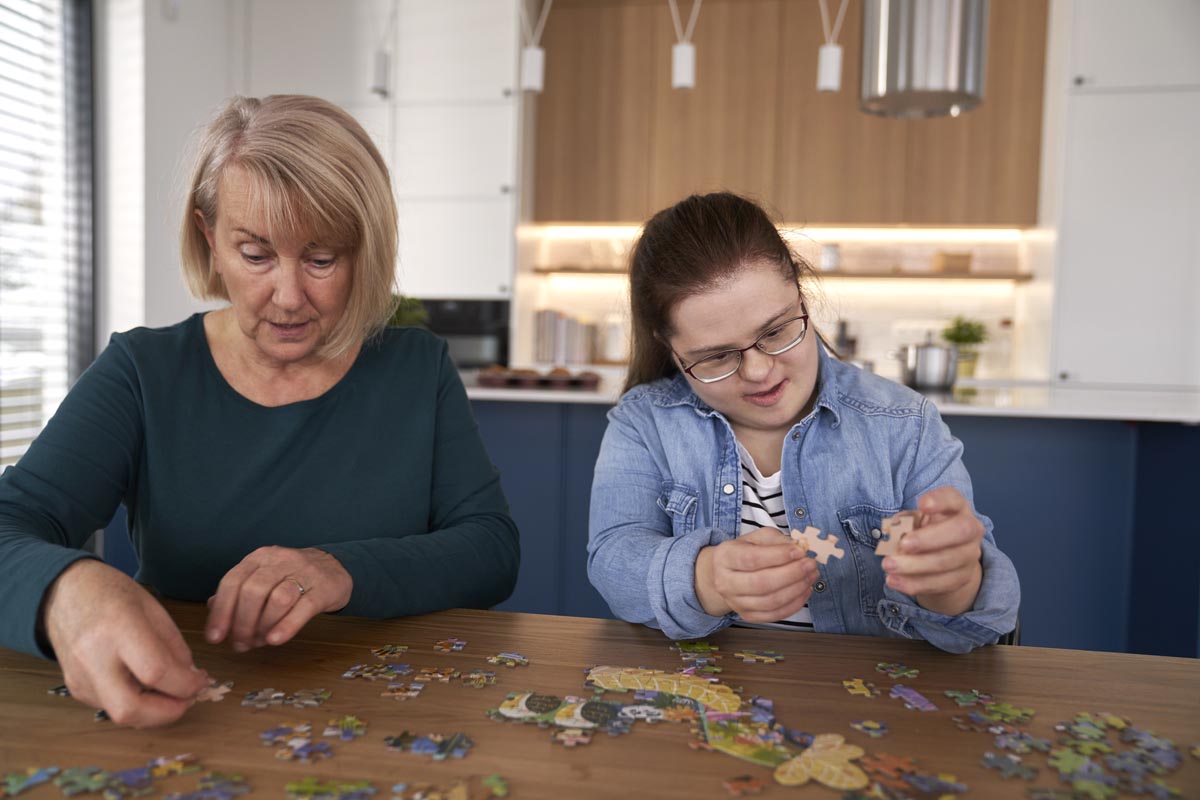
In my experience, 2 rhythms work well. First, the "support block" routine, for example each Tuesday and Thursday from 2 to 6 p.m., allows the caretaker publication their own consultations and restore without clambering. Second, the "front‑load" regimen, where break takes place early in the week, aids reset energy after a requiring weekend. Attempt both for a month and see which leaves you much less frazzled.
If you are taking care of someone that experiences late‑day complication, usage morning hours when they are most comfortable. If pain monitoring is extra efficient in the afternoon, schedule reprieve then and prevent handoffs throughout drug optimal times, when side effects are much more likely.
It likewise aids to maintain a shared schedule with your company. Paper on the fridge works penalty. For households comfortable with modern technology, a straightforward shared application calendar lowers misunderstandings. Update it weekly and verify the following go to at the end of each shift.
The psychological layer no person advertises
The first time lots of caregivers use respite, they spend it folding washing in the automobile outside your home. Sense of guilt, fear, and practice are powerful. The factor of reprieve is not to finish duties, though. It is to rest your mind and body so you can care well. If running tasks offers you tranquility, fine. However attempt alternating: one reprieve block committed to relax or pleasure, one to tasks.
Expect mixed sensations from the person receiving treatment. Grownups with dementia may stand up to "strangers" in the beginning. People with I/DD may fret about being a burden. Youngsters can be clingy, especially during adjustments in routine. The answer is straightforward, difficult: consistency and reassurance. Make use of the exact same supplier as much as possible, keep language calm, and structure break as part of the regular strategy. "On Thursdays, Jamie pertains to hang around and we make barbequed cheese." Little rituals help.
Caregivers additionally are afraid a slip in standards. Nobody does it like you do. That is true, and it does not indicate reprieve is stopping working. Recognize both or three nonnegotiables, such as secure transfers, medication timing, and drop safety measures. Be flexible on the remainder. If the towels end up folded in different ways, allow it go.
Quality indications to watch
You can tell within a week if respite is adding worth. The individual obtaining treatment needs to look unwinded after gos to, not agitated or excessively sleepy. Minor missteps occur, obviously. What issues is just how the provider reacts. Do they communicate, readjust, and find out? Do they arrive promptly and record what they did? For firm team, a short change note can be sufficient. For independent suppliers, request for a fast summary when they leave.
Pay interest to changes in appetite, rest, or mood. If frustrations or frustration spike after respite, explore triggers. Was the television too loud, were fluids reduced, did a later supper influence rest? Tiny changes typically take care of big issues.
If a service provider repeatedly terminates last minute or seems distracted, replace them. Commitment is exceptional, yet the factor is reliability. Oregon has a large network of firms and independent workers. It may take two or three looks for the appropriate match. That is normal.
Rural and frontier realities
Oregon's location matters. Outside the I‑5 corridor, in‑home agencies may be limited, and out‑of‑home alternatives could be a region or more away. Family members in Harney, Give, or Lake regions, for instance, often depend on a hybrid. A family members good friend comes to be a paid company with a probability or APD procedure, and they supplement with occasional journeys to the closest town for a day program or over night respite.
Transportation is the pinch factor. Some programs fund mileage, yet not all. A modest travel stipend can make or break a convenient plan. If you are far from solutions, document the traveling time problem and supporter for it in your service strategy testimonial. I have seen approvals shift when families supply a simple log of driving time and options.
When formal carriers are scarce, training comes to be the focus. A coach from an agency or county workplace can instruct feeding tube care, secure transfers, or seizure response to a relied on regional helper. It appears challenging, yet with technique and clear protocols, it works.
Ethics and social fit
Respite must recognize the rhythms and ideas of the home. Food is commonly where this shows up. If your family members maintains halal, kosher, vegetarian, or certain social dishes in rotation, spell that out. Ask the provider to observe those choices and show them just how to prepare staples. Language also matters. Also if the service provider is not proficient, recognizing key words and forms of address reduces friction and shows respect.
Consent and privacy are worthy of interest. Clarify what is alright to share and with whom. Some agencies will certainly want photos for documentation; lots of families choose not to. You get to choose. For grownups with capacity, include them in these choices. For those without, lean on guardianship or depictive payee setups and document preferences in the treatment plan.
Costs you do not expect
A couple of line products catch families off-guard. Minimum change sizes are common, as an example a 2 or 3 hour minimum also if you just require ninety mins. Weekend or holiday prices can be 10 to 25 percent greater. For out‑of‑home respite, you may be asked to provide individual care items, incontinence materials, and recommended foods. If your loved one has an unique drug that is not on a center's formulary, you will certainly need to bring it in the initial container.
On the flip side, some costs drop. Caretakers who relax consistently frequently delay bigger costs since they catch troubles early. An once a week four hour break that permits time to take care of a loose grab bar or change worn footwear can prevent a loss. I have seen a 120 dollar respite session conserve a 1,200 dollar emergency clinic bill by offering a caregiver the margin to discover refined changes in gait.
An easy method to start
If respite feels like another job, range it down. Choose a solitary, small goal, like attending your own medical checkup on schedule next month. Back into the action in reverse.
- Call your case manager or service coordinator and ask what break hours or company alternatives are currently licensed for your plan. Schedule one two hour in‑home see with a credible company to overlap with your appointment time. Prepare a one web page "regarding me," a current medication checklist, and your emergency situation get in touches with, and assess them with the provider before the shift.
That little success constructs trust. From there, you can add a regular block, after that an occasional over night. Caregiving is a marathon. The factor is to build a rhythm you can keep.
Common challenges and how to stay clear of them
The most regular error I see is waiting as well long. Caretakers typically require reprieve in a situation, then really feel disappointed when the first readily available slot is 2 weeks out or the recommended service provider is booked. Start before you assume you require it. You can constantly cancel, and you give yourself even more control.
Another risk is under‑communicating. Family members think companies "ought to know" exactly how to do things. Excellent providers welcome quality. Demonstrate the transfer strategy you use, label drawers, draw up the going to bed routine. The preliminary effort protects against duplicated explanations.

Finally, over‑customizing the role can backfire. If you need the carrier to reproduce every household routine, you diminish the pool of people who can help. Focus on safety and security, self-respect, and a few comforts. Let the service provider bring their very own design to the rest. I as soon as viewed a family members insist on a twelve step treat prep work routine no one yet the primary caretaker might adhere to. When they allow a supplier streamline without compromising nutrition or choking safety and security, the anxiety relieved and the person obtaining care in fact consumed better.
How break supports long‑term stability
Families commonly ask whether respite actually makes a distinction or just kicks the can in the future. The proof in living areas informs a clear story. Caregivers who build normal breaks into the week deal with setbacks a lot more smoothly, capture health and wellness modifications previously, and connect better with medical professionals. The person obtaining care benefits since their caretaker is rested and even more client. Tiny conflicts fade when both individuals have time apart.
Respite additionally lowers the opportunity of preventable residential placement. When a caregiver wear out or has an unintended a hospital stay, choices get made in a hurry. Short‑term remains in unknown facilities become irreversible since there is no energy delegated plan. Making use of respite before a situation keeps choices open. If you ever before do require a much longer remain, you currently know which settings really feel secure and which do not.
I consider a partner in Salem that insisted he could handle his partner's progressing mental deterioration alone. He lasted very well for months, after that dropped on the garage steps bring grocery stores. A neighbor called 911. A short hospital keep became resigned positioning in a center they had actually never ever explored. 2 months later, we reset. With arranged in‑home respite three afternoons a week and one weekend break overnight a month, he supported and his other half returned home, calmer than she had actually been in a year. The difference was not a miracle therapy. It was thoughtful, constant support.
Finding suppliers and obtaining aid in Oregon
Start with your assigned instance manager if you receive solutions with APD or ODDS. They preserve checklists of signed up providers and can explain which firms cover your location. If you are not yet in a program, region aging and handicap source links can direct you toward options and aid you apply. Health centers and clinics usually have social employees that recognize neighborhood break programs, specifically for pediatric and complicated medical needs.
Online directories can be helpful, yet they are not the whole photo. Call two or three firms and ask functional questions: insurance coverage area, minimum change size, weekend rates, dementia or pediatric training, and present schedule. If you find a promising provider, ask whether they have a waitlist and just how often it moves.
Nonprofits in some cases provide condition‑specific break gives, usually a couple of hundred dollars used towards agency hours. They come and go. A skilled case manager or a disease‑specific company usually recognizes what is energetic this year.

The base line
Respite care is not an add‑on service. It is the scaffolding that maintains families upright. In Oregon, the food selection is wide sufficient to fit most circumstances, from a 3 hour regular breather to a 2 week bridge while a caretaker recoups. The details issue-- training, safety, financing, and a good personal fit-- and they are manageable when come close to detailed. Develop a little regular, safeguard it, and let it do its silent job. Over time, that constant alleviation is what makes it feasible to maintain caring at home with the perseverance and existence you intend to bring to the person you love.
Business Name: Essential Services Business Address: 536 NE Baker St, McMinnville, OR 97128, United States Business Website: https://esoregon.com/ Business Phone: +15038570074 About Business: Essential Services, established in 2018, is dedicated to providing exceptional intellectual and developmental disability services and support to individuals seeking empowerment and independence. Located conveniently at 536 NE Baker St in McMinnville, Oregon, we strive to create a welcoming and inclusive environment where individuals with disabilities can reach their fullest potential and live fulfilling lives.